
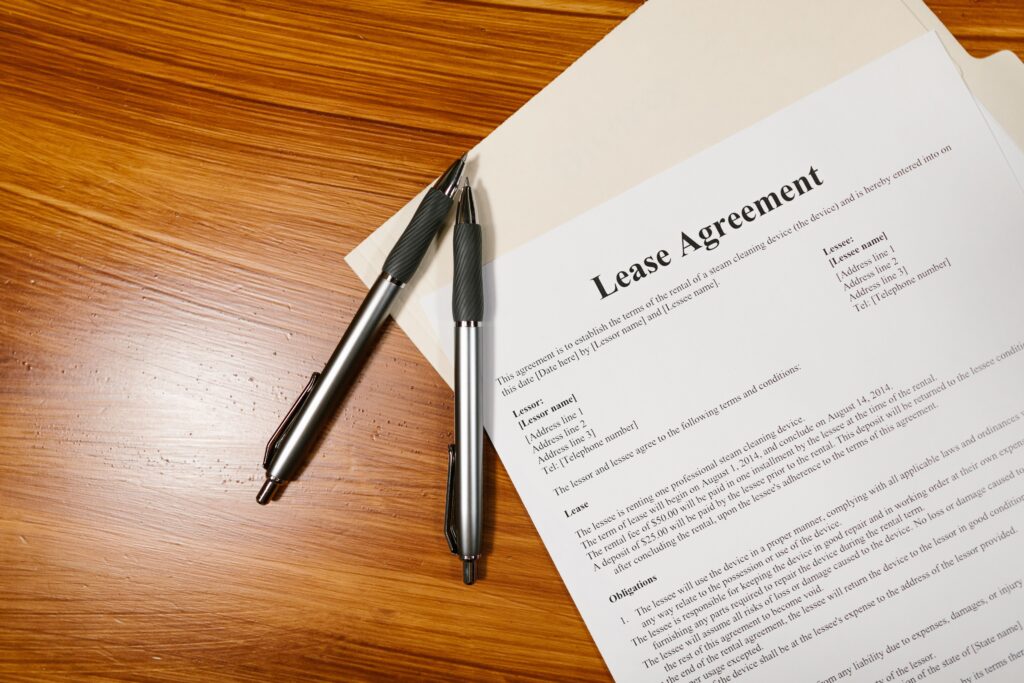
Lease accounting has become one of the most important areas of financial reporting for businesses that lease office space, vehicles, machinery, equipment, or other assets. With the introduction of AASB 16 Leases (and the equivalent international standard, IFRS 16), the way leases are recognised in financial statements has changed significantly.
Whether you are a small business owner, finance manager, or accountant, understanding lease accounting is essential to ensure accurate financial reporting and compliance with accounting standards. This guide explains lease accounting in straightforward language, covering what it is, how it works, and why it matters.
What Is Lease Accounting?
Lease accounting is the process of recording and reporting lease agreements in a business’s financial statements. A lease is a contract that gives one party (the lessee) the right to use an asset owned by another party (the lessor) for an agreed period in exchange for regular payments.
Common examples of leased assets include:
- Commercial office space
- Retail premises
- Company vehicles
- Manufacturing equipment
- Computers and IT equipment
- Warehouse facilities
- Medical equipment
Under modern accounting standards, most leases must be recognised on the balance sheet rather than simply being treated as rental expenses.
Understanding AASB 16 Lease Accounting
The Australian Accounting Standards Board introduced AASB 16 Leases to improve transparency in financial reporting. Before AASB 16, many operating leases were kept off the balance sheet, making it difficult for investors and lenders to understand a company’s true financial obligations.
Today, businesses generally recognise two key components when a lease begins:
- A Right-of-Use (ROU) Asset
- A Lease Liability
This approach provides a more accurate representation of both the economic benefit received and the financial obligation created by the lease.
A Right-of-Use Asset represents a company’s right to use a leased asset during the lease period. Instead of recording rental payments as a simple operating expense, the business recognises an asset that is depreciated over time.
What Is a Right-of-Use Asset?
The value of the Right-of-Use Asset generally includes:
- The initial lease liability
- Initial direct costs
- Lease payments made before commencement
- Restoration costs, where applicable
The asset is then depreciated over the lease term or the useful life of the asset, depending on the circumstances.
What Is a Lease Liability?
A lease liability represents the present value of future lease payments that the business is obligated to make.
The liability is calculated by discounting future lease payments using:
- The interest rate implicit in the lease (if known), or
- The lessee’s incremental borrowing rate.
As lease payments are made, the liability decreases, while interest expense is recognised over the life of the lease.
How Lease Accounting Works
When a lease commences, the business records both the Right-of-Use Asset and the Lease Liability on its balance sheet.
Over the lease term:
- The Right-of-Use Asset is depreciated.
- Interest expense is recognised on the Lease Liability.
- Lease payments reduce the outstanding liability.
Unlike previous accounting standards, lease payments are no longer recorded as a single rental expense for most leases. Instead, expenses are split between depreciation and interest.
Types of Leases
Although lessee accounting has changed significantly under AASB 16, understanding lease classifications remains important.
Finance Leases
A finance lease transfers substantially all the risks and rewards associated with ownership to the lessee. These leases have traditionally been recognised on the balance sheet.
Operating Leases
For lessees, the distinction between operating and finance leases has largely disappeared under AASB 16. Most operating leases are now recognised on the balance sheet.
For lessors, however, operating and finance lease classifications continue to apply.
Lease Accounting Exemptions
Not every lease must be recognised on the balance sheet. AASB 16 provides two practical exemptions.
Short-Term Leases
Leases with a term of 12 months or less may be treated as an expense rather than recognised as a Right-of-Use Asset and Lease Liability.
Low-Value Assets
Businesses may also elect not to recognise leases for certain low-value assets, such as:
- Small office furniture
- Printers
- Tablets
- Personal computers
- Small office equipment
These lease payments can generally be recognised as an operating expense.
Why Accurate Lease Accounting Matters
Accurate lease accounting provides several important benefits.
Improved Financial Transparency
Recording lease obligations gives investors, lenders, and stakeholders a clearer understanding of a company’s financial position.
Better Business Decisions
Understanding lease commitments allows management to make more informed decisions regarding financing, asset acquisition, and cash flow planning.
Compliance with Accounting Standards
Failure to apply lease accounting correctly can result in inaccurate financial statements, audit issues, and regulatory concerns.
Improved Financial Ratios
Although recognising leases increases reported liabilities, it also provides a more realistic view of leverage and asset utilisation.
Common Lease Accounting Challenges
Many businesses encounter difficulties when implementing lease accounting.
Some of the most common issues include:
- Identifying contracts that contain leases
- Determining the correct lease term
- Selecting an appropriate discount rate
- Accounting for lease modifications
- Managing multiple leases across different locations
- Tracking renewal and termination options
Maintaining accurate lease records and reviewing contracts regularly can help minimise these challenges.
Best Practices for Lease Accounting
Businesses can improve lease accounting compliance by following several practical steps:
- Maintain a central register of all lease agreements.
- Review new contracts before signing to determine whether they contain a lease.
- Monitor lease modifications and renewals.
- Recalculate lease liabilities when required.
- Keep supporting documentation for all accounting assumptions.
- Consider using dedicated lease accounting software if managing multiple leases.
- Seek professional accounting advice for complex lease arrangements.
Implementing these practices can improve accuracy while reducing the risk of reporting errors.
Frequently Asked Questions
What is lease accounting?
Lease accounting is the process of recognising, measuring, and reporting lease agreements in a company’s financial statements in accordance with applicable accounting standards.
What is AASB 16?
AASB 16 is the Australian accounting standard that governs lease accounting. It requires most leases to be recognised on the balance sheet by lessees.
Do all leases need to be recognised?
Most leases are recognised under AASB 16. However, exemptions exist for qualifying short-term leases and certain low-value assets.
What is a Right-of-Use Asset?
A Right-of-Use Asset represents a company’s right to use a leased asset during the lease period.
What is a lease liability?
A lease liability is the present value of future lease payments that a business is required to make under a lease agreement.
Final Thoughts
Lease accounting has fundamentally changed the way businesses report leased assets and liabilities. By recognising both a Right-of-Use Asset and a Lease Liability, organisations provide greater transparency and more accurate financial information to investors, lenders, and other stakeholders.
Although the requirements of AASB 16 can initially seem complex, maintaining accurate lease records, understanding the applicable exemptions, and reviewing lease agreements regularly can simplify compliance. Businesses that adopt sound lease accounting practices are better positioned to produce reliable financial statements, improve financial decision-making, and meet their reporting obligations with confidence.
If your business has multiple lease agreements or you are unsure how AASB 16 applies to your circumstances, obtaining professional accounting advice can help ensure your financial reporting remains accurate and compliant
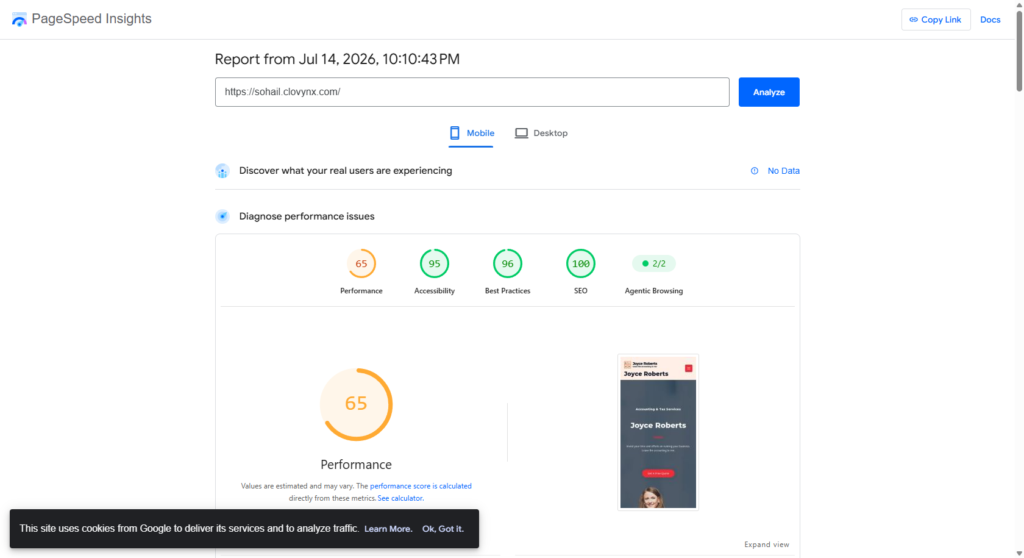
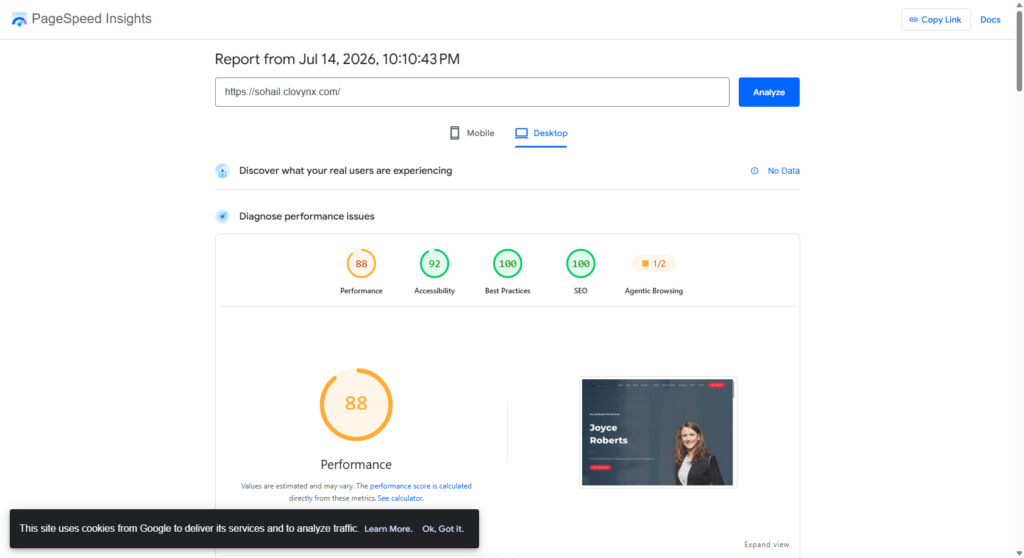
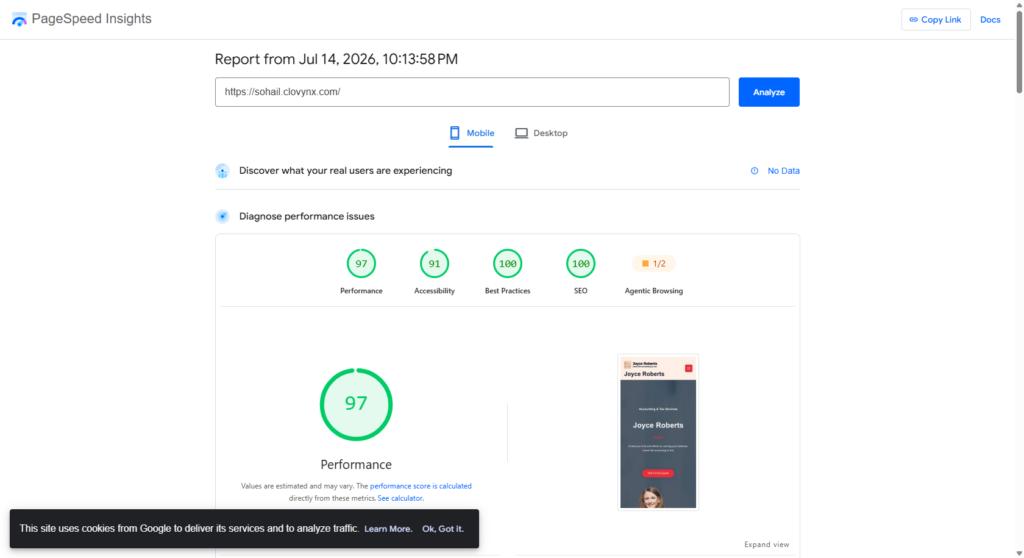
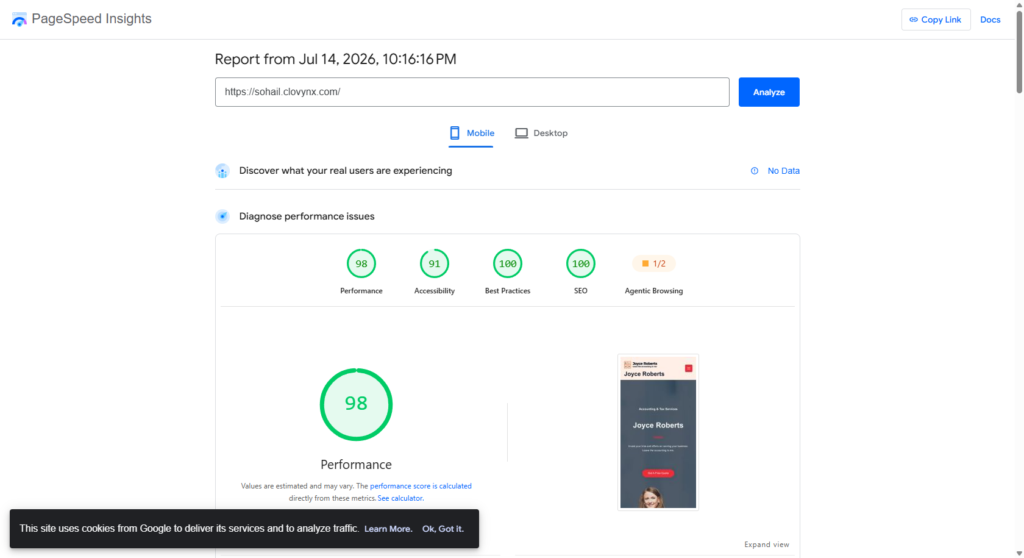
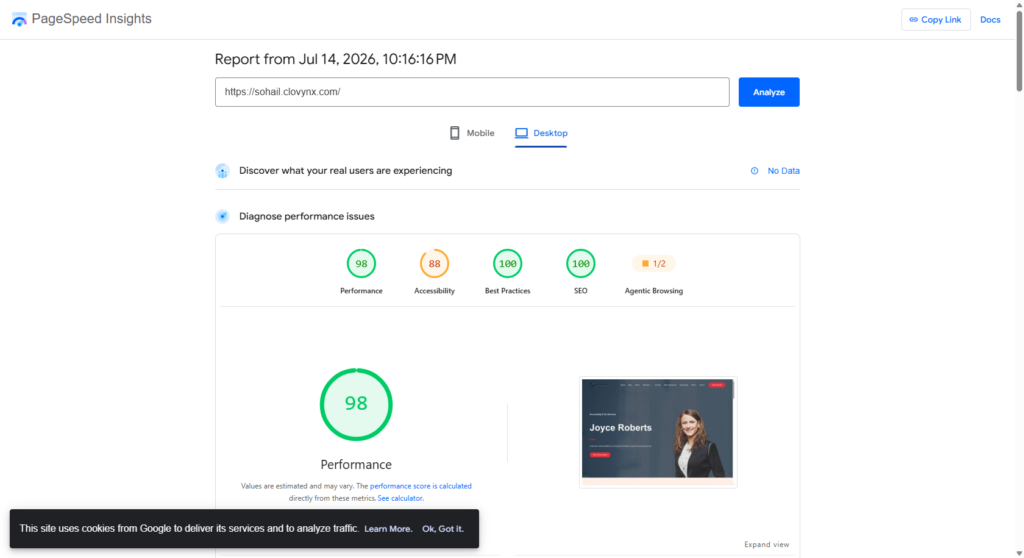
Speed Optimization Results
Mobile View before reset
Desktop view before reset
Mobile view after advanced reset
Desktop view after advanced reset
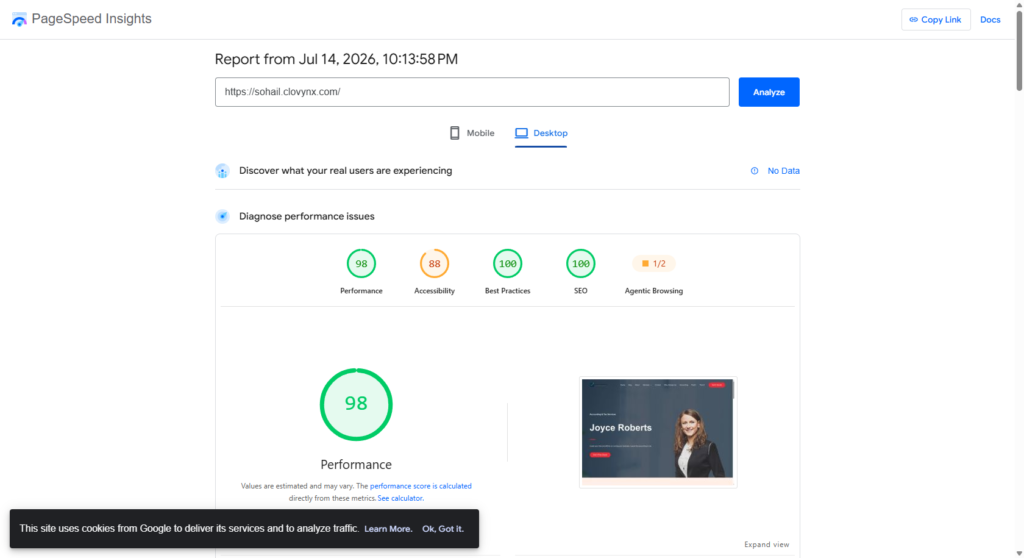
mobile view after extreme reset
desktop view after extreme reset
Dude
It was an excellent article.
Thank you, dude, for your precious comments!